
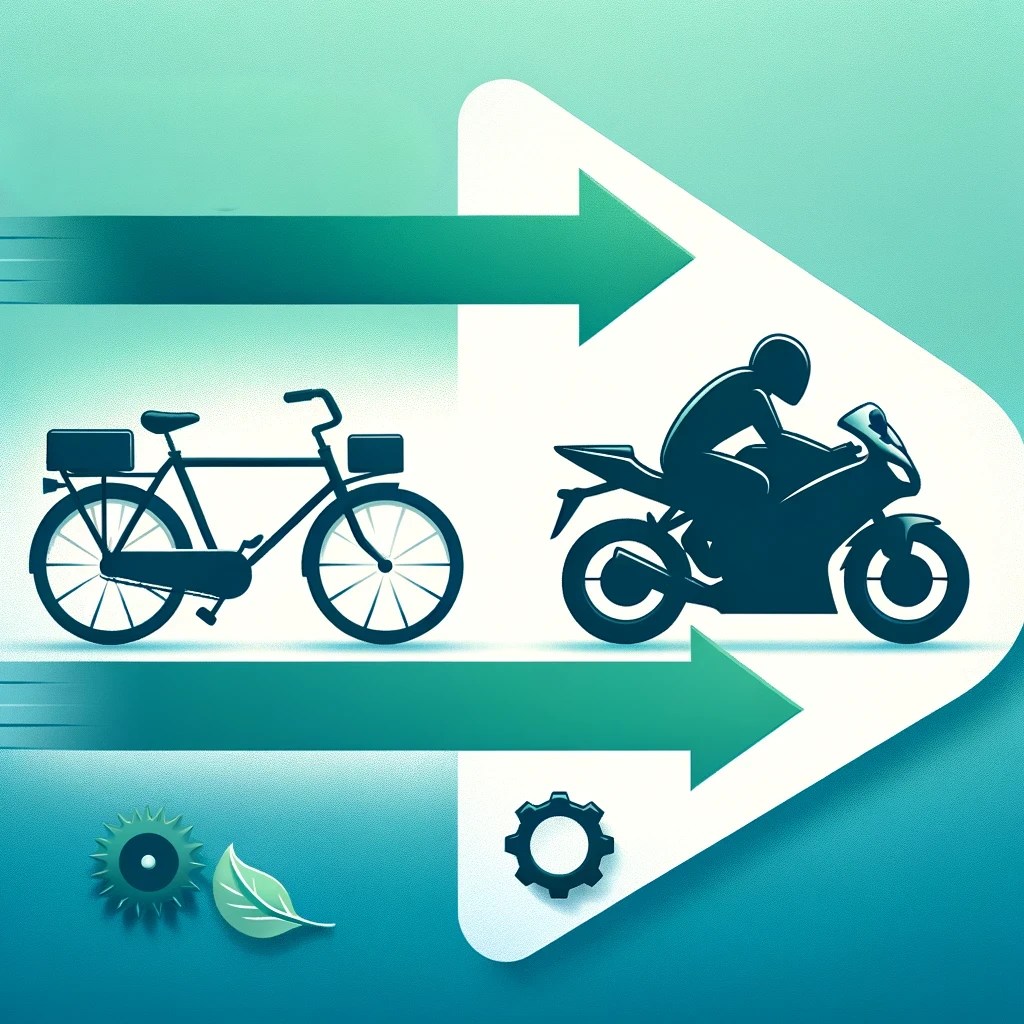
The Challenge of Defining an MVP
In the world of agile development, one of the most challenging tasks can be defining a Minimum Viable Product (MVP). It’s often tempting to revert to a waterfall approach, building the entire solution before delivering any value. This temptation arises from the comfort of knowing that all the pieces are in place before the user sees the product. However, this approach can lead to significant delays in delivering value and gathering feedback.
Importance of Delivering an MVP at the End of a PI
Delivering an MVP at the end of a PI means users get new features right away, keeping them engaged and happy by showing that the team is responsive. Plus, it allows for early feedback from users and stakeholders, helping us make informed changes in future iterations. Eric Ries, in his book The Lean Startup, argues that it is impossible to know in advance whether a product developed under extreme uncertainty will be valued by consumers. He mentions that “we must learn what customers really want, not what they say they want or what we think they should want.” Only through “experimenting” (as Bent Flyvbjerg discusses in his book How Big Projects Get Done) can this be achieved. Flyvbjerg suggests, “create an MVP, put it in front of consumers, and see what happens. With lessons learned, change the product, ship again, and repeat the cycle.”
By delivering an MVP, teams can catch and fix risks early, avoiding bigger problems later and keeping things running smoothly. Plus, an MVP helps the team stay flexible and quickly adapt to user needs or market changes. General McChrystal, in Team of Teams, emphasizes the importance of adaptability in modern organizations. He notes that ‘adaptability, not efficiency, must become our central competency,’ highlighting how being flexible leads to better outcomes in a constantly shifting environment.
Defining the Scope of an MVP
Finally, when defining an MVP, it’s essential to focus on the core functionalities that deliver the most value to the users. Start by identifying the problems your product aims to solve and the functionalities that directly address these issues. Talk with your stakeholders and users to get their input, and prioritize these functionalities based on their impact and feasibility. Remember, the goal is not to create a perfect product but to develop a viable solution that can be tested and improved over time.
To achieve the benefits of delivering an MVP, it’s important to properly prepare for PI planning, ensuring that all necessary steps are taken to build MVPs. In the next blog, we will dive deeper into the preparation steps for PI planning. For now, what are your thoughts on defining and delivering an MVP?
 AgileBeaon
Leave a comment