
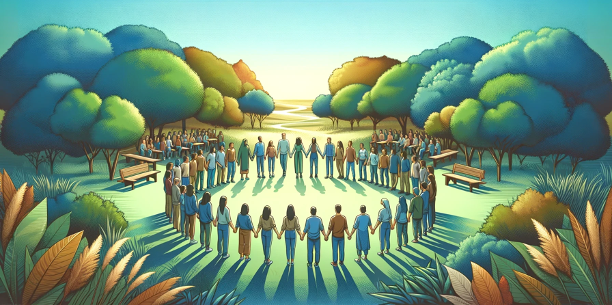
In my role as a Release Train Engineer (RTE), prioritizing the team’s success and well-being has been fundamental. In this blog, I talk about how focusing on ‘we’ instead of ‘I’ and building real connections can really strengthen team bonds and lead to improved outcomes. I will share some effective practices that have helped me to cultivate a trusting environment across multiple teams.
It’s Not About You, It’s About Them
As an RTE, my primary focus has been on the team members rather than on myself. Creating a supportive environment means setting aside personal agendas and caring about the well-being and success of others. This perspective shift from ‘I’ to ‘we’ is crucial in laying the foundation for mutual respect and trust. When team members feel valued and supported, they are more engaged and productive.
The Human Interaction
In large-scale agile environments, trust stems from consistent, positive interactions across various teams. It’s the small, often overlooked moments that build a strong team foundation. As an RTE, I’ve found that really listening, showing empathy, and being there for the teams during both good and tough times are crucial. These interactions go beyond solving problems—they’re about creating a connection that goes deeper than just work stuff.
Why Is an Environment of Trust Important?
Simon Sinek says it best: “A team is not a group of people who work together. A team is a group of people who trust each other.” In my experience, a trusting environment encourages team members to take responsible risks, communicate effectively, and collaborate openly. Trust is not just a nice-to-have; it’s essential for delivering valuable products and creating a fulfilling workplace.
What Helped Me
Building trust within and across teams has come from consistent, everyday actions rather than grand gestures. What worked for me included regular informal conversations about (non-)work topics, following through on my commitments, being physically present and approachable, and empowering team members to use their strengths without micromanaging. As a result, I’ve seen myself transition from being viewed as ‘one of them’ to ‘one of us.’
Building trust makes agile teams more dynamic and successful. What has worked for you in building trust within your teams?
 AgileBeaon
Leave a comment